
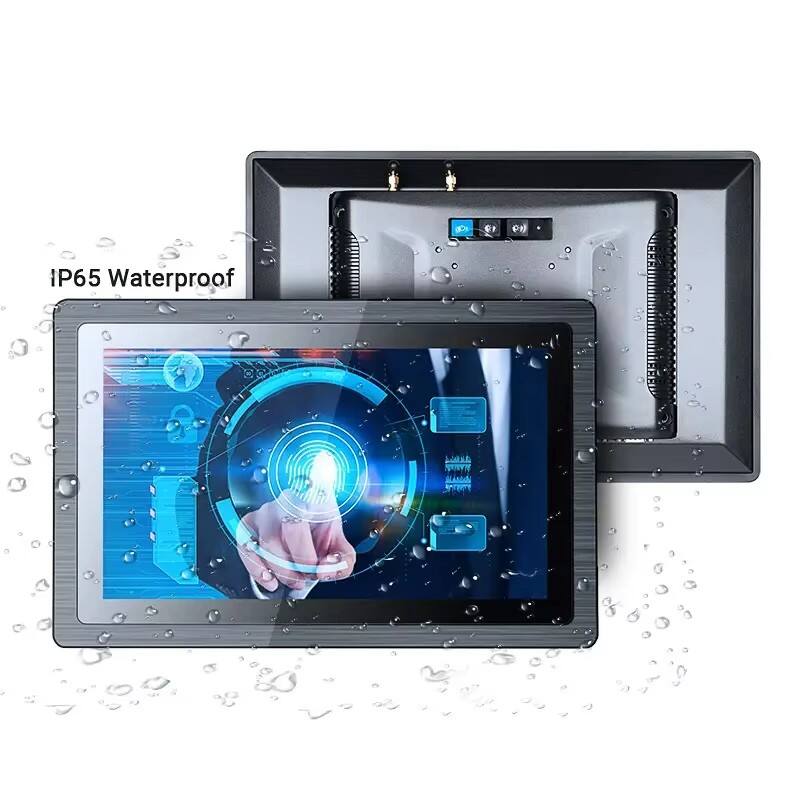
Why IP65 Protection Is Essential for Hygienic Production Environments
High-Pressure Washdowns and Corrosive Sanitizers Demand Full Enclosure Sealing
Food processing plants and pharmaceutical manufacturing areas face serious challenges every day with their high pressure washdown routines. These cleaning processes often involve harsh chemical sanitizers that can quickly damage unprotected electronic equipment. Regular enclosures just aren’t cut out for this environment. They let moisture get inside which causes all sorts of problems like rust buildup, electrical malfunctions, and even bacterial growth. IP65 certified devices offer something different though. They provide full protection against dust particles and can handle water jets coming from any direction at lower pressures. The importance of this kind of sealing cannot be overstated since faulty equipment leads to roughly $740,000 worth of unexpected downtime each year according to Ponemon's research from 2023. Fanless industrial panel computers manage to stay reliable during these intense cleaning sessions thanks to their seamless front seals and durable 316L stainless steel frames around the edges. This design keeps them functioning properly despite repeated exposure to aggressive cleaning protocols.
How IP65 Certification Meets GMP, EHEDG, and FDA 21 CFR Part 11 Environmental Requirements
Good Manufacturing Practice regulations demand that equipment can handle multiple sterilizations without letting contaminants in. Fanless industrial panel PCs rated IP65 do exactly this by blocking all possible entry points for bacteria and other harmful organisms. These panels meet both EHEDG Type A standards for food safety and the FDA's 21 CFR Part 11 requirements for electronic record keeping. Without any fans or air vents where organic material might collect, studies show these systems cut down on microbial risks by around three quarters when compared to older models according to research published in the Journal of Food Protection last year. Plus, their design works well with IEC 62366-1 guidelines for user testing, which means companies spend less time and money fixing problems later on because of water damage during production runs.
Fanless Industrial Panel PC Design: Eliminating Contamination Risks and Boosting Uptime
Why Fans Fail in Sterile Zones — Ingress Pathways, Microbial Trapping, and Maintenance Overhead
The standard cooling fans we see everywhere actually pose serious threats to maintaining sterile conditions in cleanrooms. The spinning blades basically act as doors for all sorts of unwanted stuff like dust particles, moisture, and microscopic organisms getting into sensitive areas. According to FDA inspections from last year, nearly 9 out of 10 pharmaceutical plants aren’t meeting ISO Class 5 standards because of this problem. Inside the fans themselves, those tiny spaces between parts collect organic material over time, which leads to stubborn biofilms that even strong cleaning agents like hydrogen peroxide can’t fully remove. When it comes to maintenance, things get worse fast. Cleaning these systems means shutting down production lines completely, something that costs manufacturers around $700k every hour during those shutdowns according to Ponemon’s research. And whenever someone has to physically reach inside for repairs, they’re bringing in potential contaminants with them. That’s why fanless industrial panel computers represent such a breakthrough. These systems are sealed tight against outside elements, so there’s no way for particles or bacteria to sneak in. Plus, since there are no moving parts to clean, maintenance requirements drop dramatically compared to traditional fan cooled equipment, cutting down on those costly interruptions.
Passive Thermal Management: Aluminum Chassis, Phase-Change TIMs, and Derating-Free Operation at 45°C
Passive thermal engineering makes it possible to run equipment without fans while still maintaining good performance levels. The aircraft grade aluminum used in these systems conducts heat about four times better than regular steel does, acting like massive heat sinks that can handle over 150 watts worth of heat. Special phase change materials start to melt when temperatures go above 45 degrees Celsius, filling those tiny spaces between the processor and the heatsink. This actually boosts how well heat moves through the system compared to normal thermal paste by around 60 percent. These kinds of systems work great even when ambient temps hit 45 degrees, which matters a lot in places where there’s lots of steam during sterilization processes or inside thermal processing ovens. Getting rid of fans cuts down on power usage by roughly 23% according to Energy Star standards from 2024, plus no more dust buildup that tends to wreck standard computers after just half a year in environments with powdered ingredients flying around. Tests done in pharmaceutical packaging showed these passive designs stayed operational 99.95% of the time across 100,000 operating hours, beating out traditional fan based systems by almost half.
Material, Interface, and Compliance Specifications for Regulatory-Driven Applications
316L Stainless Steel Bezel, Seamless Front Gasket, and Cleanable Touch Interface for EHEDG Type A Compliance
In food processing and pharmaceutical settings, surfaces need to stand up to intense cleaning routines every single day. The bezel is made from 316L stainless steel that resists corrosion, which has been tested against both acidic and alkaline cleaning agents without showing any signs of pitting or breaking down over time. There’s also a completely smooth front gasket that gets rid of those tiny spaces where bacteria might hide. Plus, the touchscreen is mounted flush with the surface and can handle harsh chemicals, making it possible to clean the entire area thoroughly without missing spots. All these features together create a design that satisfies EHEDG Type A standards, meaning everything stays hygienic right from when someone first touches it until after the last rinse cycle completes.
Validation Support: Pre-certified IEC 62366-1 usability, CE/UKCA, and RoHS for Faster FDA Submission
Getting regulatory approvals moving faster often begins with using components that are already validated. Take this fanless industrial panel PC for instance it comes with complete IEC 62366-1 certification which basically means it has been tested for reliable human machine interactions. Plus it includes all the necessary CE UKCA electrical safety checks and meets RoHS requirements right out of the box. What does this mean practically? For companies dealing with FDA 21 CFR Part 11 submissions, these built in certifications cut down on paperwork hassle significantly. And manufacturers no longer face those expensive delays when last minute compliance issues pop up during testing phases. This kind of proactive approach saves both time and money across multiple industries.
FAQ
What does IP65 certification stand for?
IP65 certification ensures that a device is completely dust-tight and protected against low-pressure water jets from any direction.
Why is fanless design important in sterile environments?
Fanless design prevents the ingress of dust and bacteria, reducing contamination risks and maintenance requirements in sterile environments.
How does passive thermal management work in fanless PCs?
Passive thermal management uses materials like aluminum to conduct heat effectively, allowing the system to dissipate heat without needing fans.
What materials are used for compliance in food and pharmaceutical environments?
Materials such as 316L stainless steel and seamless front gaskets are used for their durability and resistance to corrosive cleaning agents, complying with regulatory standards.